Can You Whiten Dental Crowns?
If you have ever looked in the mirror after whitening your natural teeth and noticed that one tooth still seems darker, flatter, or simply different, you are not imagining it. That mismatch is one of the most common reasons people ask whether dental crowns can be whitened. The short answer is no, not in the way natural teeth can. But that simple answer leaves out the details that actually matter when you are deciding what to do next.
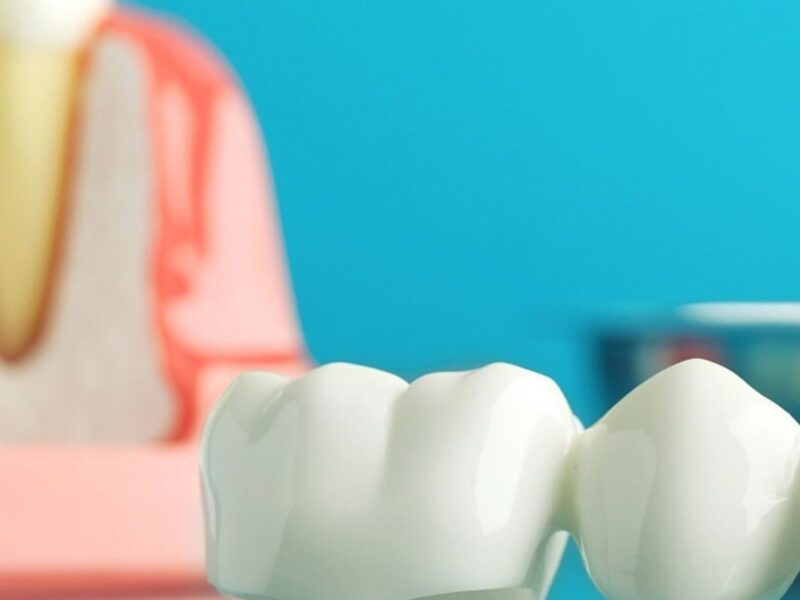
Dental crowns are made from restorative materials, not living tooth structure. Whitening products are designed to lighten natural enamel and dentin by breaking apart stain molecules. A crown does not respond to bleach the way a natural tooth does. That is why some people are disappointed after using whitening strips or professional whitening trays only to find that their crowned tooth looks exactly the same while the surrounding teeth become lighter.
The good news is that you usually do have options. They just depend on what kind of crown you have, where it sits in your smile, how old it is, and whether the problem is true discoloration or just surface buildup. In practice, those distinctions matter a lot.
Why crowns do not whiten like natural teeth
Natural teeth are porous to a degree. Even though enamel is the hardest substance in the body, it still allows whitening agents to penetrate and lift internal and external staining. A crown is different. Whether it is made of porcelain, zirconia, porcelain fused to metal, or resin-based material, the outer surface is manufactured to be stable, dense, and colorfast.
That color stability is usually a benefit. It means the crown is less likely to change shade from coffee, tea, or red wine the way a natural tooth can. It also means the crown will not participate when you whiten the rest of your smile.
This is where many misunderstandings begin. Patients often assume a crown is just a stronger version of a tooth and will behave similarly under whitening treatments. It does not. A whitening gel may clean the surface a bit, especially if there is plaque or superficial residue, but it will not chemically lighten the crown itself.
The distinction becomes obvious in front teeth. A person may have one central incisor with a crown placed years earlier after trauma. At the time, the color matched nicely. Then life happens. Natural teeth darken slowly with age, or the person starts whitening regularly, or the original crown simply no longer blends as well under current lighting. Suddenly that one tooth stands out. The crown did not change, but everything around it did.
The materials matter, but not in the way most people think
Different types of dental crowns stain differently, wear differently, and reflect light differently. That can affect appearance, but not the basic rule that crowns do not bleach like teeth.
Porcelain and zirconia crowns are generally quite resistant to deep discoloration. They can collect surface stains, especially near the gumline or in small texture grooves, but their underlying shade usually stays stable. Resin-based crowns or temporary crowns are more likely to pick up stains over time. Porcelain fused to metal crowns can also show age in other ways, such as a dark line near the gum if the gum recedes, which people sometimes mistake for staining.
From a clinical standpoint, patients usually use the word “yellow” to describe several different issues. Sometimes the crown is genuinely darker than surrounding teeth. Sometimes it is the same value but lower translucency, so it looks duller. Sometimes there is hardened tartar at the edge. Sometimes the glaze has worn off, making the surface grab more stain. And sometimes the adjacent natural teeth have been whitened so much that even a perfectly acceptable crown now looks too warm.
Those are not small distinctions. They determine whether a simple polish could help or whether replacement is the only realistic solution.
What whitening products can and cannot do
Over-the-counter strips, whitening toothpaste, LED kits, and professional bleaching systems all work on natural teeth to varying degrees. None of them can alter the intrinsic shade of a finished crown.
Whitening toothpaste is especially misunderstood. Most of these products rely more on abrasives than bleaching agents. On natural teeth, they can remove some surface stain. On crowns, they may also remove debris or residue, but they can just as easily roughen the surface if they are too abrasive, especially if used aggressively over time. A rougher surface tends to attract more stain, not less.
Professional whitening from a dentist is more effective for natural enamel, but the same limitation applies. If you wear trays with carbamide peroxide or undergo in-office hydrogen peroxide treatment, the crowned tooth will likely remain unchanged. That is why dentists often discuss existing crowns before whitening begins. It is better to know ahead of time that a color mismatch may appear than to be surprised after the fact.
There is one narrow exception worth mentioning. If a crown looks darker because it has accumulated external stain or plaque, a professional cleaning and polish may improve the appearance. That is not whitening in the true sense, but it can make a noticeable cosmetic difference.
When a crown looks stained but is not actually discolored
One of the most useful parts of a dental exam in these cases is figuring out what exactly you are seeing. Not every “dark crown” is a crown that needs replacing.
A crown can look off for several reasons. The porcelain may still be the same shade it was on the day it was cemented, but the surrounding teeth may have changed. The margin near the gum may have picked up stain. The crown may have lost some surface glaze from years of chewing, grinding, or acidic exposure. The cement underneath may even be showing through slightly at an edge if the fit has changed or the gum has receded.
In real practice, I have seen patients convinced that their front crown had turned yellow when the real culprit was heavy coffee staining on the lower half and dry, chalky natural teeth around it after a recent whitening cycle. Once the crown was cleaned and the patient stopped comparing it under bathroom LED lighting from six inches away, it blended much better than expected. Other times, no amount of cleaning changes the fact that the crown is simply the wrong shade for the current smile.
That is why a dentist will usually assess the crown under proper light, with the teeth hydrated, and after a cleaning if needed. Shade matching is more nuanced than most people realize.
Can a dentist polish a crown to make it look better?
Sometimes, yes. A professional polish can remove surface staining and smooth minor roughness. This works best on ceramic crowns that are structurally sound and simply have some external discoloration. It can also help if the issue is stain accumulation from smoking, tea, red wine, or inadequate cleaning around the gumline.
What polishing cannot do is transform a darker crown into a lighter one. If the base color is wrong, polishing may improve the finish but not the shade. Think of it as restoring clarity rather than changing paint color.
This distinction is especially important with older crowns. A crown that has become matte or scratched can look more conspicuous because it reflects light differently from neighboring teeth. A careful polish may restore some life to it. If the surface glaze is badly compromised, however, polishing has limits. In that case replacement may be the more predictable cosmetic choice.
When replacement is the only real answer
If the crown’s color no longer matches your natural teeth, replacement is often the most reliable fix. This is especially true for front teeth where even slight shade differences are obvious.
Dentists commonly recommend whitening natural teeth first, then waiting for the shade to stabilize before remaking visible crowns. That order matters. If you replace the crown first and whiten later, you can end up with the same mismatch all over again.
A few situations usually point toward replacement rather than cleaning or polishing:
- The crown is intrinsically darker than the surrounding teeth
- The crown was matched years ago and your natural teeth have since been whitened
- The surface is worn, rough, or aesthetically flat
- There is gum recession exposing a dark margin or metal edge
- The crown has other problems, such as leakage, chipping, or poor fit
In those cases, trying to “whiten” the crown is mostly a detour. A new crown made to your current tooth shade and facial characteristics will usually give the most satisfying result.
The timing question, whitening before or after a crown?
This is one of the most practical parts of treatment planning, and it often gets overlooked until the patient is unhappy.
If you know you may want whitening and you also need a crown in a visible area, whiten first if possible. Then let the tooth shade settle for a short period, often about one to two weeks after active bleaching, sometimes longer depending on the case. After that, the dentist can match the new crown to your lighter baseline.
That sequence saves frustration. It also gives the lab a more stable reference point. Tooth shade right after whitening can be temporarily brighter and slightly dehydrated-looking. Matching a crown too soon can backfire once the teeth rehydrate and settle.
For back teeth, the cosmetic timing is less critical, although shade still matters to many patients. For front teeth, timing is everything. Even a beautifully made crown can look wrong if it is matched to a shade you no longer plan to keep.
What if you already whitened your teeth and now the crown stands out?
This is extremely common, and there is nothing unusual about it. The natural teeth responded. The crown did not. At that point the solution depends on how noticeable the difference is and how much it bothers you.
A slight mismatch may not justify replacement, especially if the crown is healthy and sits off to the side of the smile. Sometimes patients notice a difference at first because they are looking for it, then stop seeing it after a week or two. On the other hand, if the crown is on a central incisor, even a small color discrepancy can become the first thing your eye goes to.
When patients ask what they should do next, I usually frame it around priorities rather than perfection. Are you trying to maintain a natural look with moderate whitening, or do you want a very bright smile? The brighter you go with natural teeth, the more likely older restorative work will need updating to keep pace.
Can internal whitening help if the tooth under the crown is dark?
This is a more technical question, but it comes up in certain cases. If a natural tooth has darkened internally after root canal treatment or trauma, internal bleaching can sometimes lighten the tooth structure itself. But that only helps under specific circumstances, and it does not whiten the crown material.
If the crown is opaque enough, the underlying stump shade may not matter much. If the crown is more translucent, a dark underlying tooth can influence the final appearance. In those cases, the dentist may consider treating the underlying discoloration and then remaking the crown, or choosing a crown material and opacity that masks the darkness more effectively.
This is one reason front tooth crowns after trauma can be challenging. The visible result depends on the tooth underneath, the ceramic chosen, the thickness of the material, and the light behavior of adjacent teeth. It is not simply about making something “whiter.”
What to ask your dentist if your crown looks yellow
A useful consultation is rarely about one yes-or-no question. It is about narrowing down the cause and identifying the least invasive fix that will actually work.
You may want to ask:
- Is the issue surface stain, loss of polish, or the crown’s actual shade?
- Would a cleaning or polish improve it enough to matter?
- If I whiten my natural teeth, how much more obvious will this crown become?
- If replacement is recommended, should I whiten first and then match the new crown?
- Are there any functional reasons, beyond cosmetics, to replace this crown now?
Those questions usually lead to a far better plan than simply asking whether the crown can be whitened.
Caring for crowns so they stay as bright as possible
Even though crowns do not bleach, they can absolutely look cleaner and brighter with good maintenance. Most long-term aesthetic problems are not dramatic failures. They are gradual changes in surface quality, gum health, and surrounding tooth color.
Daily brushing with a non-abrasive toothpaste helps preserve the finish. Flossing matters just as much because stained plaque tends to collect near the margins. If you grind your teeth, wearing a night guard can protect the ceramic surface and reduce wear that makes a crown look dull. Regular professional cleanings also help, especially for people who drink a lot of coffee, tea, or red wine.
One practical mistake I see fairly often is the use of harsh Dental Crowns whitening or smoker’s toothpaste on crowns. Patients assume stronger cleaning means a brighter restoration. Sometimes it means more microscopic scratching, especially over the years. A crown that loses its smooth, glossy surface will often appear older even if its actual shade has not changed much.
The cosmetic challenge of matching one tooth
Single front crowns are among the hardest restorations to make disappear visually. That is not because dentists or labs lack skill. It is because natural teeth are incredibly complex. They are not one flat color. They have translucency near the edge, subtle internal warmth, tiny variations in brightness, and a particular way of catching light.
A crown can be technically excellent and still look slightly different in certain lighting. Under soft natural daylight it may blend beautifully. Under harsh bathroom LEDs or direct flash photography it may become more obvious. That does not always mean the crown is poor quality. It may simply reflect the reality that a handcrafted restoration and a living tooth are different materials.
This matters because some patients pursue whitening hoping it will somehow “correct” a mismatched crown. Often the opposite happens. The whiter the natural teeth become, the less forgiving the comparison.
A better strategy is usually to decide on the overall smile shade first, then coordinate any visible restorative work around that decision.
So, can you whiten dental crowns?
Not in the true bleaching sense. Dental crowns do not respond to whitening agents the way natural teeth do. If a crown looks darker or yellower, the explanation is usually one of three things: surface stain that can sometimes be cleaned or polished, a mismatch caused by changes in your natural teeth, or age-related wear that affects how the crown reflects light.
That means the right answer is rarely found in another whitening product. It is found in diagnosis. If the crown only needs a professional cleaning, that is a simple win. If the shade is fundamentally wrong, replacement is usually the predictable fix. If you are planning cosmetic work, whitening your natural teeth before replacing visible crowns gives the best chance of a stable, attractive match.
For patients, that can feel mildly frustrating at first. Most people would prefer the easy answer, a gel, a strip, a one-hour treatment. But when it comes to crowns, realism is what leads to good outcomes. You are not trying to force a material to do something it cannot do. You are trying to make smart choices about maintenance, timing, and, when necessary, replacement.
That approach tends to save money, avoid disappointment, and produce the result people actually want, a smile that looks clean, balanced, and natural.
Simple Dental South Gate
Address: 8617 California Ave, South Gate, CA 90280
Phone number: +13236896118
FAQ About Dental Crowns
How much do crowns cost per tooth?
In the United States, a single dental crown typically costs between $800 and $2,500 per tooth without insurance. The ultimate out-of-pocket price depends heavily on the crown material, the location of the tooth, and whether you have dental insurance coverage.
What is the downside of crowns on teeth?
The primary downside of a dental crown is that the procedure permanently removes natural tooth enamel to shape the tooth for the cap.
Why do dentists push for crowns?
Dentists recommend crowns because a large filling cannot provide enough strength when a tooth loses a major portion of its structure or faces heavy chewing pressure.
Corrections
Spot something wrong? Send it to the desk and it gets fixed in the open.